How to Prepare a Power of Attorney Document: Essential Steps
Understanding Power of Attorney
A Power of Attorney (POA) is a vital legal document that grants one person the authority to act on behalf of another. This authority can cover financial, medical, or legal decisions, making it crucial to understand how to properly prepare this document.
Choosing the Right Type of POA
There are several types of POAs, each serving a different purpose. It's important to choose the one that best fits your needs:
- General Power of Attorney: Grants broad powers to the agent.
- Limited Power of Attorney: Specifies particular duties or timeframes.
- Durable Power of Attorney: Remains in effect if you become incapacitated.
- Medical Power of Attorney: Allows the agent to make healthcare decisions.
Selecting an Agent
Choosing the right agent is critical. This person should be trustworthy and capable of making sound decisions on your behalf. Consider discussing your expectations and the responsibilities involved with the potential agent.
Drafting the Document
Once you've chosen the type of POA and your agent, it's time to draft the document. While templates are available online, consulting a lawyer ensures all legal requirements are met and the document is tailored to your specific situation.

Including Essential Information
Your POA document should clearly state:
- The type of POA being granted.
- The full names and addresses of both the principal and the agent.
- The specific powers being granted to the agent.
- Any limitations or conditions on the agent's authority.
Executing the Document
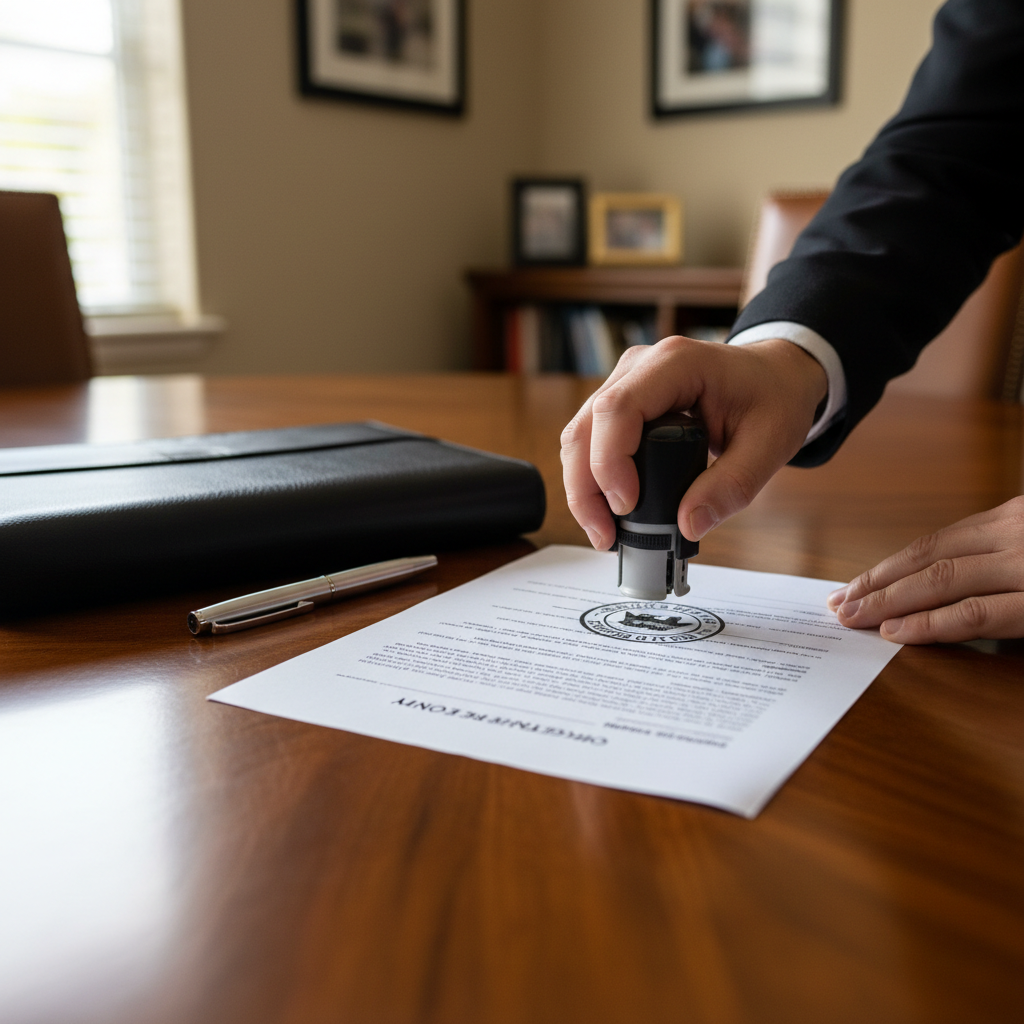
Proper execution of the POA document is crucial. This typically involves signing the document in front of a notary public. Some states may require additional witnesses, so be sure to verify the requirements in your jurisdiction.
Distributing Copies
Once the document is executed, distribute copies to relevant parties, such as financial institutions or healthcare providers. Ensure that your agent also has a copy and knows where the original is kept.
Reviewing and Updating
Regularly review your POA to ensure it still reflects your wishes and circumstances. Life changes, such as marriage, divorce, or relocation, may necessitate updates to the document.
Revoking a Power of Attorney
If you need to revoke a POA, do so in writing and notify all parties involved. This helps prevent any unauthorized actions by the former agent.

Preparing a Power of Attorney document is an essential step in managing your personal and financial affairs. By following these steps, you can ensure that your interests are protected, even when you're unable to make decisions yourself.